
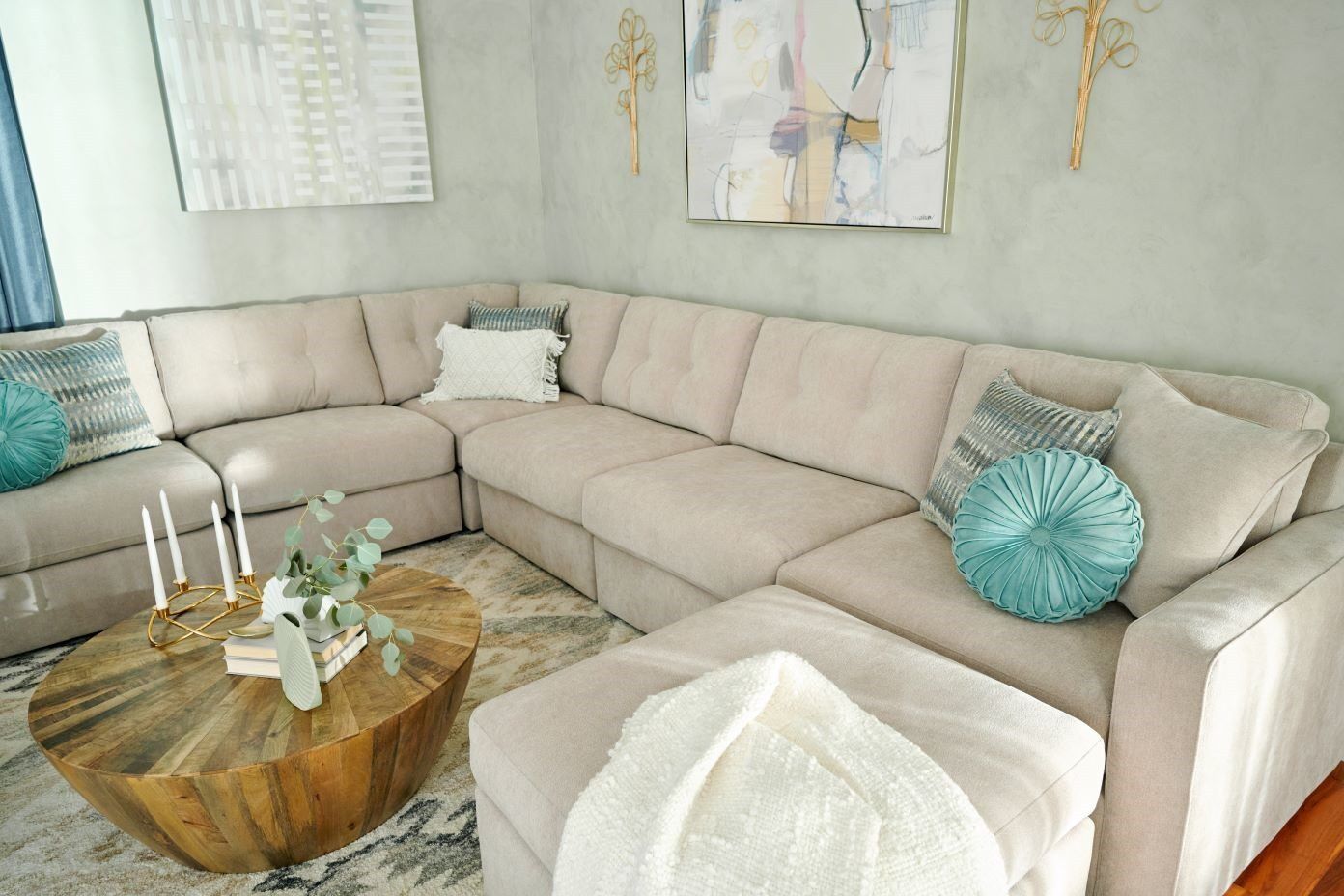
THE BEST SOFAS FOR TALL PEOPLE: FINDING THE RIGHT FIT
Supportive, stylish sofas designed with tall people in mind.
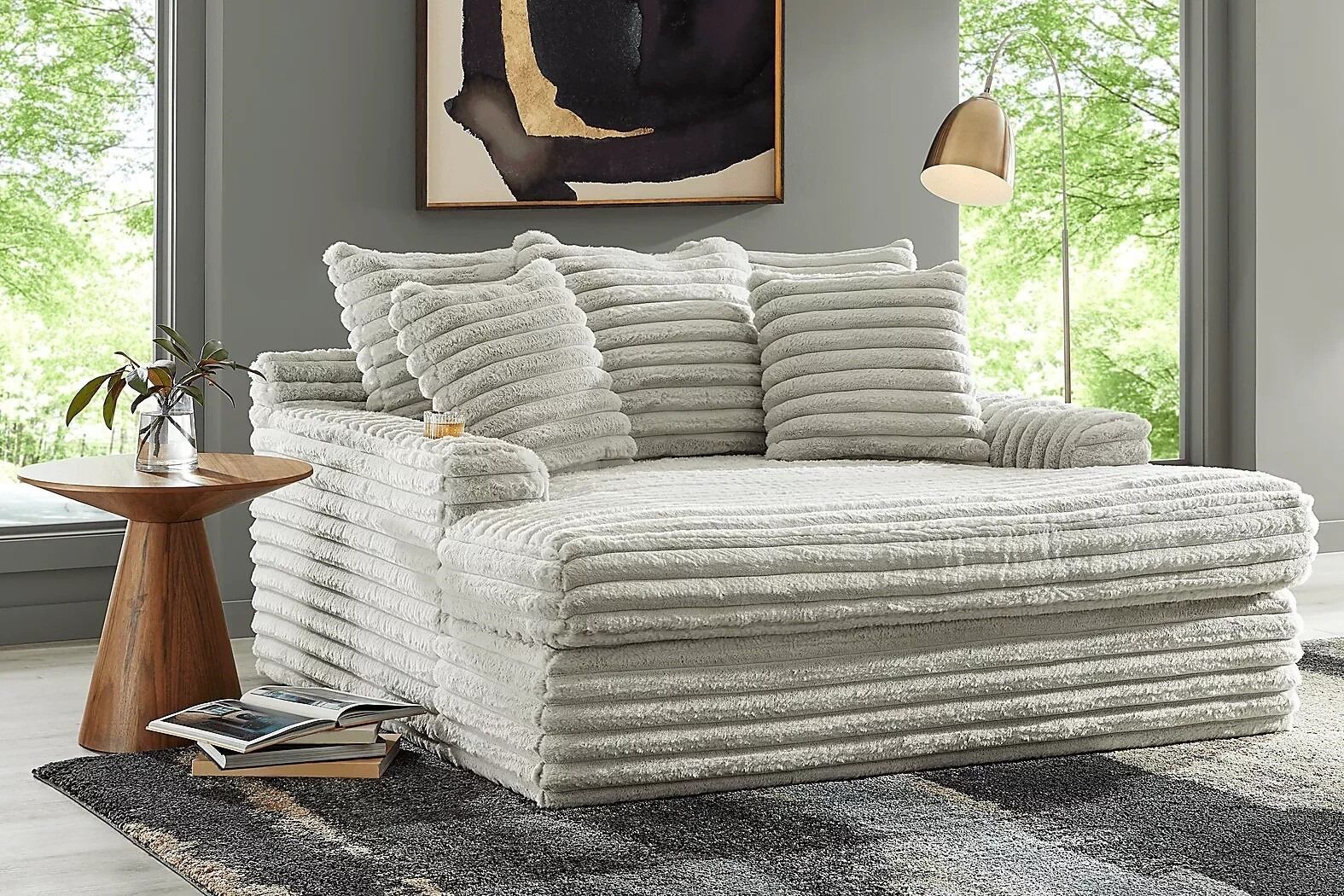
OVERSIZED LIVING ROOM FURNITURE: HOW TO STYLE FOR MAXIMUM IMPACT
Learn how to style oversized living room furniture for a space that feels both inviting and intentional.
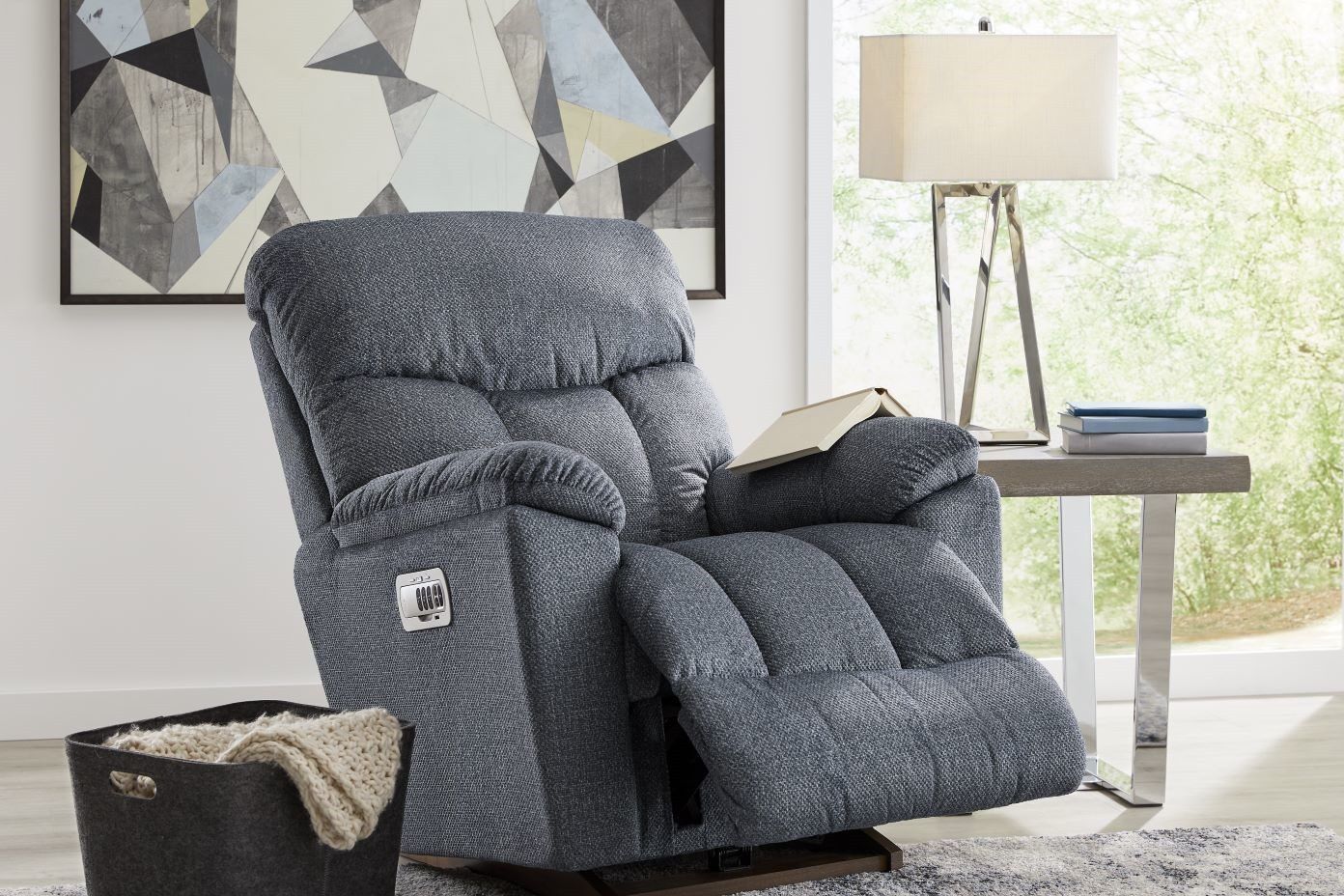
LIVING ROOM RECLINER IDEAS: MAKE COMFORT LOOK INCREDIBLE
Explore stylish living room recliner ideas that blend comfort with design.

HOW TO CHOOSE THE RIGHT SIZE FURNITURE FOR YOUR LIVING ROOM
Finding The Perfect Fit: Tips For Selecting The Right Furniture Dimensions For Your Living Space.
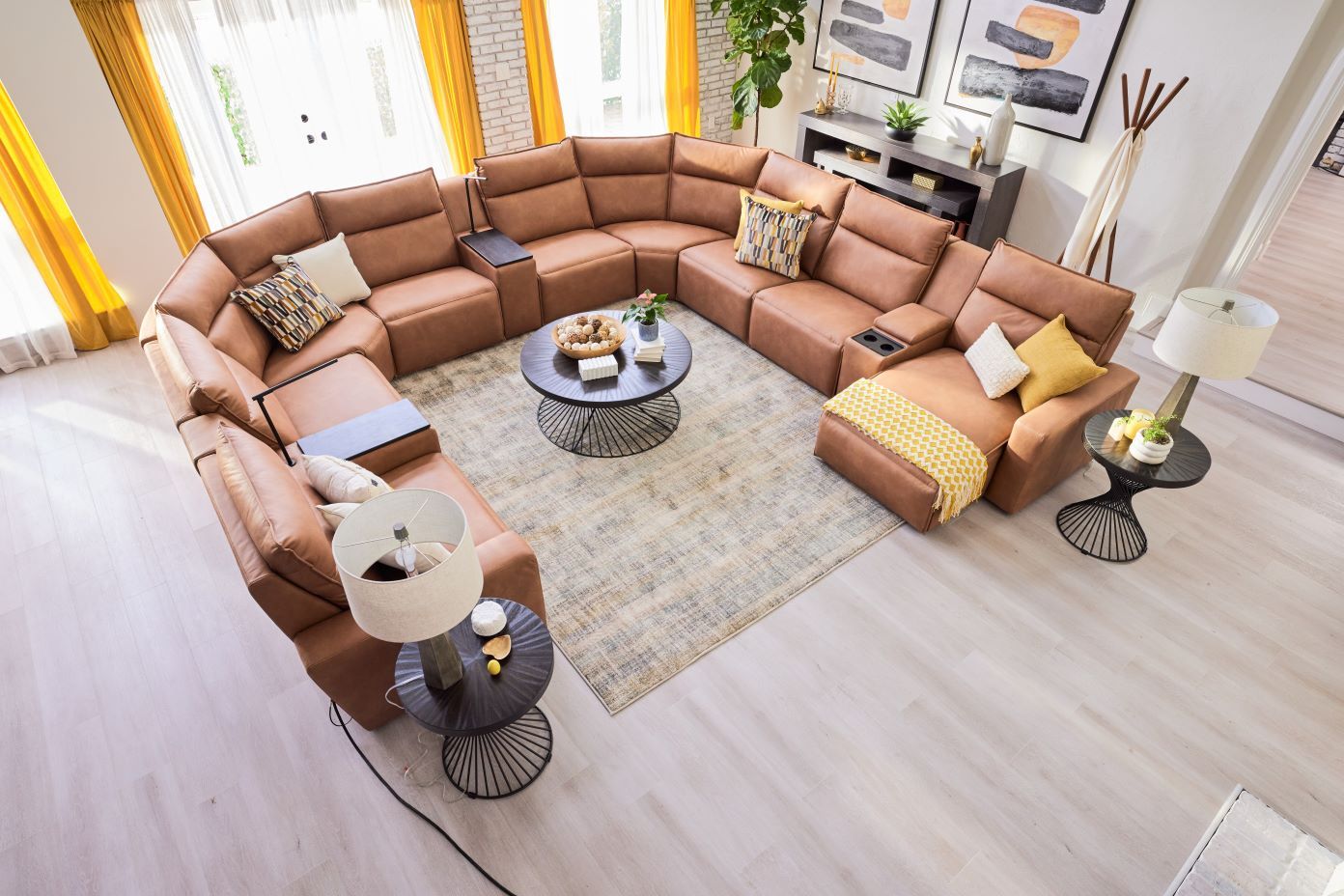
SMALL SPACE, BIG IDEAS: MODULAR SECTIONALS THAT GROW WITH YOUR SPACE
Maximizing Flexibility: How Modular Sectionals Adapt To Any Room Size.

GUIDE TO MODULAR SOFAS & SECTIONALS
Choose the perfect sofa, modular or sectional, for your living space.

UNDERSTANDING COUCH DEPTH: A COMPREHENSIVE GUIDE
Essential insights on couch depth for ultimate comfort and style.

BEST PET-FRIENDLY SOFA MATERIALS
Durable And Stylish: Top Sofa Materials Perfect For Pet-Friendly Homes.
CHAISE VS. SOFA
Discover the key differences and find the perfect fit for your living space.


